
In this post: what an indie dog is — indian dog breeds vs indie dogs — temperament and flat life — costs — native breed shortlist — how to choose — when Sploot is not the path — straight answers
I have watched more people google indian dog breeds and land on a Labrador list than I care to count. Straight answer — indian dog breeds are the dogs native to this country, and an indie dog is the Indian pariah landrace most people mean when they say desi dog. Same family of searches. Not the same animal every time.
This guide clears the naming mess first, then the shortlist. Sploot will not rehome a dog for you. Fair enough. We show up for walks and grooms after the dog is home.
An indie dog is India's landrace — not a mutt and not every native breed

An indie dog is the Indian pariah dog — also called desi dog, desi kutta, INDog, pye dog, or street dog, depending on who is talking. Indie is short for indigenous. It is not a kennel-club brand. It is a landrace shaped by climate and survival across the subcontinent for thousands of years.
The Wikipedia page on the Indian pariah dog puts the archaeological trail at roughly 4,500 years. The INDog Project is blunt about the same point: this is a village dog type, not a fashion mix you invent in a backyard.
What an indie dog is not:
- Not every mixed puppy with a curly tail.
- Not a failed Labrador litter.
- Not automatically the same as a Rajapalayam or Mudhol Hound.
Those last two are native Indian dog breeds with their own histories. An indie dog is the common landrace. Confusing the two is how search results and Instagram captions talk past each other.
If you want personality depth on the pariah type alone, our Indian pariah dog temperament guide sits next door. This page stays on the full picture — indian dog breeds, indie dogs, and how to choose without the guilt trip.
Indian dog breeds and indie dogs are related — they are not the same search

When someone searches indian dog breeds, they often want a list of natives: Rajapalayam, Mudhol Hound, Chippiparai, Kombai, Indian Spitz, Rampur Hound, Himalayan types, and the pariah or indie dog. When someone searches indie dog, they usually want the desi landrace — meaning, temperament, price, and whether a flat can handle one.
Both searches belong here. Treat them as nested, not identical. Start with the definition, then the list, then the cost and flat-life questions. That order matches how people actually decide.
Cute indian dog breeds searches often land here too. Cute is fine. Cute without a walk plan is how you end up with a stressed dog and a guilty calendar.
Rule of thumb:
- Indian dog breeds = the wider native set, including registered and traditional regional dogs.
- Indie dog / desi dog = the pariah landrace most common on streets and in shelters.
- Indie dog breeds as a phrase online usually means native Indian dogs in general. In careful speech, keep the landrace separate from the sighthounds and flock guardians.
The AKC advice on choosing a dog breed still applies even when the dog is desi: match energy, size, grooming, and who actually lives in the house. Climate is the Indian filter most foreign listicles skip.
If you want lifestyle picks that also include popular foreign breeds for Indian homes, use our dog breeds in India guide after this. This URL stays native-first.
Indie dog temperament, health and life in a flat

Most indie dogs are alert, observant, and loyal once they trust you. They are not automatically aggressive. They are also not automatically soft couch potatoes. History matters. A dog who spent months on a busy road will need more decompression than a puppy raised in a home.
What usually works in a flat:
- Daily outdoor time — not a balcony sniff and a prayer.
- Early socialisation with people, lifts, and other dogs when safe.
- Clear routines for food, walks, and alone time.
- Patience for the first weeks. Bonding is not a weekend project.
What usually fails:
- Expecting zero barking in a colony with constant corridor traffic.
- Skipping vaccines because "indies are hardy." Hardy is not immortal.
- Buying a high-prey sighthound native and hoping the building cat becomes a roommate.
- Treating street smarts as disobedience. Indies often think first. Train with clarity, not ego.
Apartment dogs need different expectations than bungalow dogs. A medium indie in a 2BHK in Gurgaon is not getting farm space. Adjust the walk plan instead of copying advice written for suburban America. Our dog walking guide covers how much movement different dogs need. If weekdays collapse, book dog walking on Sploot rather than hoping Sunday fixes a five-day deficit. Quarterly plans are the best per-walk price — ₹116 for 20 minutes and ₹160 for 40 minutes.
Health note, said plainly: indie dogs often carry strong natural resilience. They still need vaccinations, deworming, sterilisation decisions with a vet, and treatment when something is wrong. Sploot is not a vet. Illness, blood, or two days of not eating — vet first.
What an indie puppy or adult actually costs in India

Straight answer on indie dog price: adoption from a shelter or independent rescuer is often free or a small fee that covers early vaccines and sterilisation. Paying thousands for a "pure indie puppy" from a random seller is usually a red flag, not a premium.
What costs real money is everything after the dog is home:
- Vaccines and boosters on a schedule your vet sets.
- Food that actually covers protein needs — table scraps alone are not a plan.
- Sterilisation if that is the right call for your household.
- Training if the dog arrives with fear, leash panic, or resource guarding.
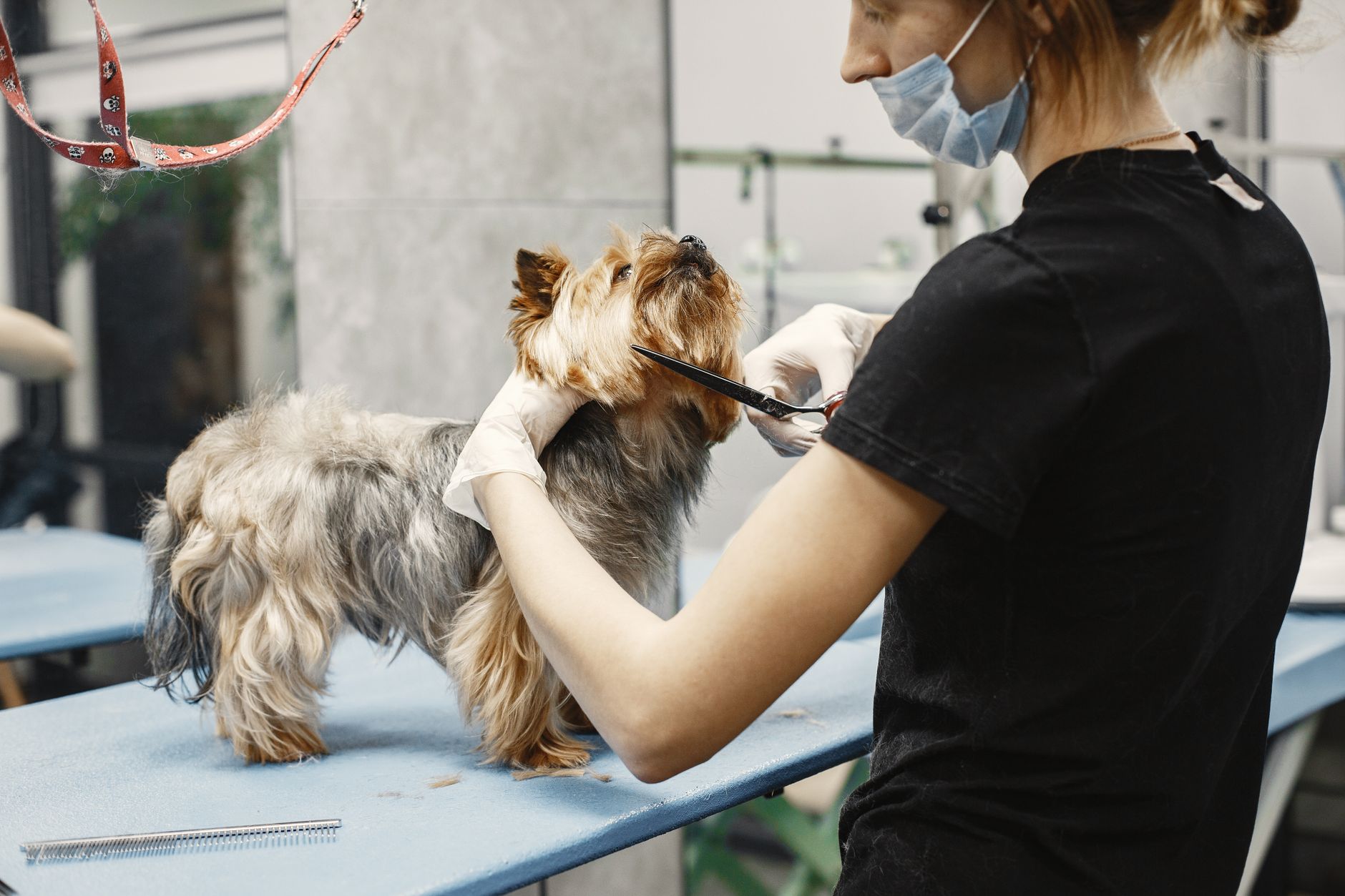
- Grooming is usually light on short coats. Mats and ticks still happen in monsoon.
Soon after Sploot started, we also adopted Dobby, an indie stray who befriended Snitch and essentially chose us. The paperwork fee was not the story. The story was vaccines, patience, and rebuilding trust. That bill is the real indie dog price.
Monthly care for a medium indie in an Indian city is usually dominated by food and preventive vet work, not salon drama. Short coats still pick up ticks in monsoon. An anti-tick bath when needed is ordinary maintenance, not a personality flaw.
If someone quotes a pedigree-style number for a desi puppy with no health history, walk away. Ask for vaccine records, temperament notes, and who will take the dog back if the match fails.
Native Indian dog breeds worth knowing beyond the street dog

Here is a short native list without pretending every entry fits every flat. Use it as a map, not a shopping cart.
Indian pariah / indie dog — Medium, short coat, climate-adapted, widely available through adoption. Best default for many first-time homes if you commit to walks and training.
Rajapalayam — White Tamil Nadu sighthound. Loyal, reserved with strangers, needs space and experienced handling. Not a studio-apartment impulse.
Mudhol Hound / Caravan Hound — Lean Deccan sighthound. Speed, stamina, strong prey drive. Calm indoors only after real exercise.
Chippiparai — Tamil Nadu sighthound. Athletic, bonded to family, poor roommate for small pets.
Kombai — Southern guardian and hunter type. Courageous, needs confident training. Wrong dog for a timid first-time household.
Indian Spitz — Smaller, fluffier, apartment-friendlier on size. Still needs walks and coat care. For size notes beyond natives, our small dog breeds guide helps.
Rampur Hound — Northern sighthound. Built for speed and open work. Flat life only works with a serious exercise plan.
Gaddi / Himalayan sheepdog types — Large, thick-coated guardians. Better for cooler regions and experienced homes. Heat management in the plains is not optional.
How to read that list without getting dazzled:
- Start with coat and climate. Short southern coats handle plains heat better than Himalayan double coats.
- Start with job history. Guardians and sighthounds were bred to work, not to decorate a coffee table.
- Start with availability. Indies are widely adoptable. Some regional natives are rare and need careful sourcing.
Skip the fantasy that every native is "low maintenance." Low grooming is not low commitment. Every dog still needs time, money, and a plan for when you travel.
For flat-specific filters, our dog breeds for apartments guide goes deeper on building rules and walk logistics.
How to choose — adopt an indie, or bring home a purebred native

Choose the dog that matches your Tuesday, not your wishlist screenshot.
Adopt an indie when:
- You want a climate-sensible companion and can offer structure.
- You are open to an adult dog with some history, not only a puppy.
- You can budget training help if fear or reactivity shows up.
Consider a purebred native when:
- You understand the working history — hunting, guarding, flock work.
- You have the space and experience that breed actually needs.
- You can verify health, temperament, and a responsible source.
Honest filter before money changes hands:
- Who walks the dog at 6:30am on a workday.
- What happens during Diwali noise and monsoon mud.
- Whether your building allows the size you are eyeing.
- Whether you want a project or a partner. Some natives are both.
Puppies look easier in photos. Adults from rescues often show their true energy sooner, which can be a gift if you listen. Either way, budget the first three months for settling in — crate or safe corner, leash manners, and a vet relationship — not only for Instagram announcements.
If the honest answer is "we travel constantly and nobody can hold a leash," do not bring a dog home yet. That is not failure. That is timing.
When a foreign breed still fits better — and when Sploot is not the adoption path

Sometimes a Labrador, Beagle, or other popular breed still fits — if you already know the heat, coat, and exercise math, and you are ready for it. Native is not a moral trophy. Fit is the point.
Sploot is the wrong door when:
- You need a shelter, rescue network, or rehoming partner. We do not place dogs.
- The dog is biting people or showing serious aggression. That needs a trainer or behaviourist, not a walking subscription.
- The dog is sick. Vet first. Always.
We have turned down walking work when the real need was training. Short-term revenue is not worth a bad match for the dog or the walker.
What we can do after the dog is home: regular doorstep walks and grooms so care does not depend on your calendar forgiving you. Session reviews from Sploot dog parents sit at 4.78 stars across 3,361 reviews after completed walks and grooms. Book on Sploot when the logistics are the problem — not when the decision is still the problem.
Straight answers
What is an indie dog
An indie dog is India's native pariah landrace — also called desi dog, desi kutta, or INDog. Indie means indigenous. It is not a random mutt label, and it is not every native breed name on a list.
Are street dogs the same as indian dog breeds
Street dogs are often indie or pariah-type dogs, which sit inside the wider indian dog breeds conversation. Some street dogs are mixes with foreign breeds, especially in cities. Meet the individual dog. Do not assume genetics from one photo.
What is the indie dog price in India
Adoption is usually free or a small fee covering early vet work. Ongoing food, vaccines, and training are the real costs. Be wary of high "pure indie" puppy prices with no health paperwork.
Are indie dogs good for apartments
Many are, if you commit to daily outdoor exercise and training. Size helps. Under-walking does not. Sighthound natives usually need more open work than a typical pariah in a flat.
Which indian dog breed is best for families
There is no universal winner. For many families, a well-socialised indie dog is the practical start. Rajapalayam, Kombai, and large guardian types need more experience and space. Match the household, not the ranking chart.
Do indie dogs need less care than Labradors
They often need less climate drama and less coat theatre. They do not need less love, vaccines, or walks. "Hardy" is not a free pass to skip basics.
Are indie dogs aggressive
Not by default. Poor socialisation, fear, pain, or the wrong home can create reactivity in any dog. Early positive training and honest assessment matter more than the label desi.
Should I adopt an indie or buy a native purebred
Adopt when you want the landrace and can support the dog in front of you. Buy a native purebred only from a responsible source when you specifically need that breed's working traits — and you can prove you can meet them.
If you are still stuck between a desi face and a foreign wishlist, I would start with the dog you can walk every day. Then book the help that keeps that promise. Sploot is here for the walks and grooms. The choosing part is yours — and that is how it should be.